The Role of Rotary Chair Testing in Comprehensive Vestibular Assessment: Principles and Clinical Applications
Insights
From Frenzel Goggles to Infrared Video Systems: The Evolution of Nystagmus Examination Technology
11 Mar, 2026
Introduction
Observation of eye movements is a fundamental component of vestibular and neurological examination. Among these eye movements, nystagmus—a rhythmic involuntary oscillation of the eyes—serves as one of the most important clinical signs for identifying disorders of the vestibular system.
Because vestibular dysfunction often produces characteristic patterns of nystagmus, clinicians have long relied on eye movement observation to differentiate between peripheral and central causes of dizziness and imbalance. However, accurately detecting these subtle movements has historically been challenging.
Over the past century, technologies used for nystagmus examination have evolved significantly. The progression from simple visual observation to modern infrared video recording reflects a continuous effort to improve the visibility, measurement, and documentation of eye movements.
This article reviews the historical development of nystagmus examination technology and explains how modern infrared video systems have transformed vestibular assessment.
Why Observing Nystagmus Is Clinically Important
Nystagmus is a key sign of dysfunction in the vestibular system, which integrates sensory information from the inner ear, vision, and proprioception to maintain balance and spatial orientation.
When the vestibular system is disturbed—for example by conditions such as benign paroxysmal positional vertigo (BPPV), vestibular neuritis, or central nervous system disorders—abnormal eye movements can occur.
However, a fundamental challenge in clinical examination is that visual fixation suppresses vestibular nystagmus. When a patient focuses on a visible object, the brain can partially or completely suppress these involuntary eye movements.
As a result, diagnostic methods have historically focused on techniques that remove or reduce visual fixation, allowing nystagmus to become visible to the examiner.
Early Clinical Observation of Eye Movements
In the earliest stages of vestibular medicine, clinicians relied entirely on direct visual observation of the patient’s eyes. While experienced physicians could sometimes identify nystagmus during attacks of vertigo, subtle eye movements were often difficult to detect.
This limitation led to the development of devices designed to improve the visibility of eye movements and prevent fixation from suppressing nystagmus.
Frenzel Goggles: The First Dedicated Nystagmus Examination Device
One of the earliest and most influential tools for examining nystagmus was the Frenzel goggle, named after German physician Hermann Frenzel.
Traditional Frenzel goggles use high-powered magnifying lenses combined with illumination to allow clinicians to observe eye movements while preventing the patient from focusing on external objects.
The strong magnification and optical distortion created by the lenses make it difficult for the patient to visually fixate, which allows vestibular nystagmus to become more visible during examination.
For decades, Frenzel goggles became a standard tool in otolaryngology and neurotology clinics for evaluating patients with dizziness.
However, the technology also had several limitations:
• eye movements could only be observed qualitatively
• recordings could not be stored or reviewed
• detection depended heavily on examiner experience
These limitations eventually led to the development of more objective recording methods.
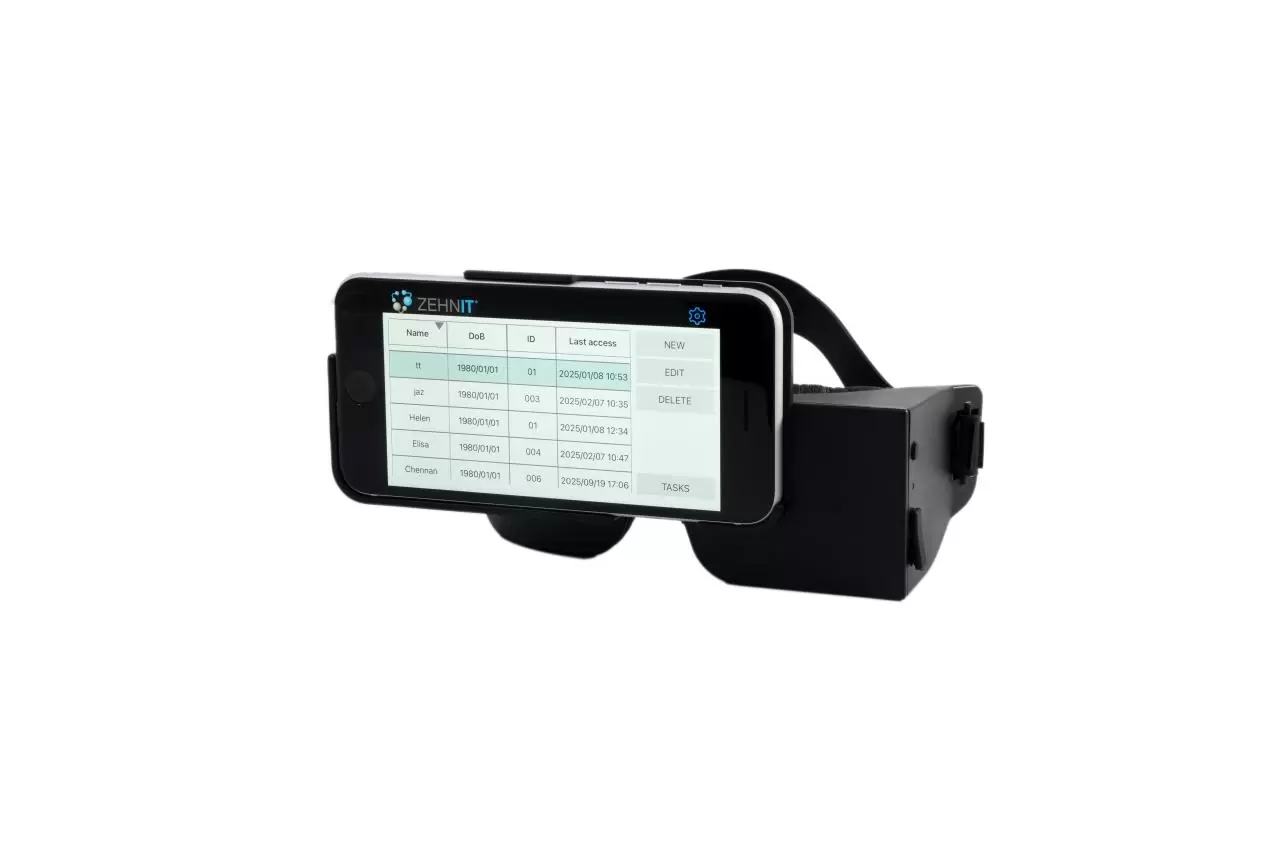
Modern portable electronic versions of Frenzel goggles have been developed to address some of these limitations by enabling video observation and recording. For example, smartphone-based systems such as VertiMobile allow clinicians to document eye movements during bedside examinations.
Electronystagmography (ENG): Electrical Measurement of Eye Movements
In the mid-20th century, electronystagmography (ENG) introduced a new approach to eye movement recording.
ENG uses electrodes placed around the eyes to measure the corneo-retinal electrical potential generated during eye movement. Changes in voltage are recorded and translated into waveforms that represent eye motion.
This technique allowed clinicians to:
• objectively record eye movements
• analyze eye movement patterns quantitatively
• document vestibular responses during diagnostic tests
ENG represented an important step forward because it allowed eye movement data to be recorded and analyzed rather than simply observed.
However, the method also had limitations:
• electrodes required time-consuming preparation
• recordings produced graphs rather than images of the eye
• torsional eye movements were difficult to detect
These challenges motivated further technological improvements.
Videonystagmography and Infrared Video Goggles
Advances in digital imaging eventually led to the development of videonystagmography (VNG) and video-oculography (VOG) systems.
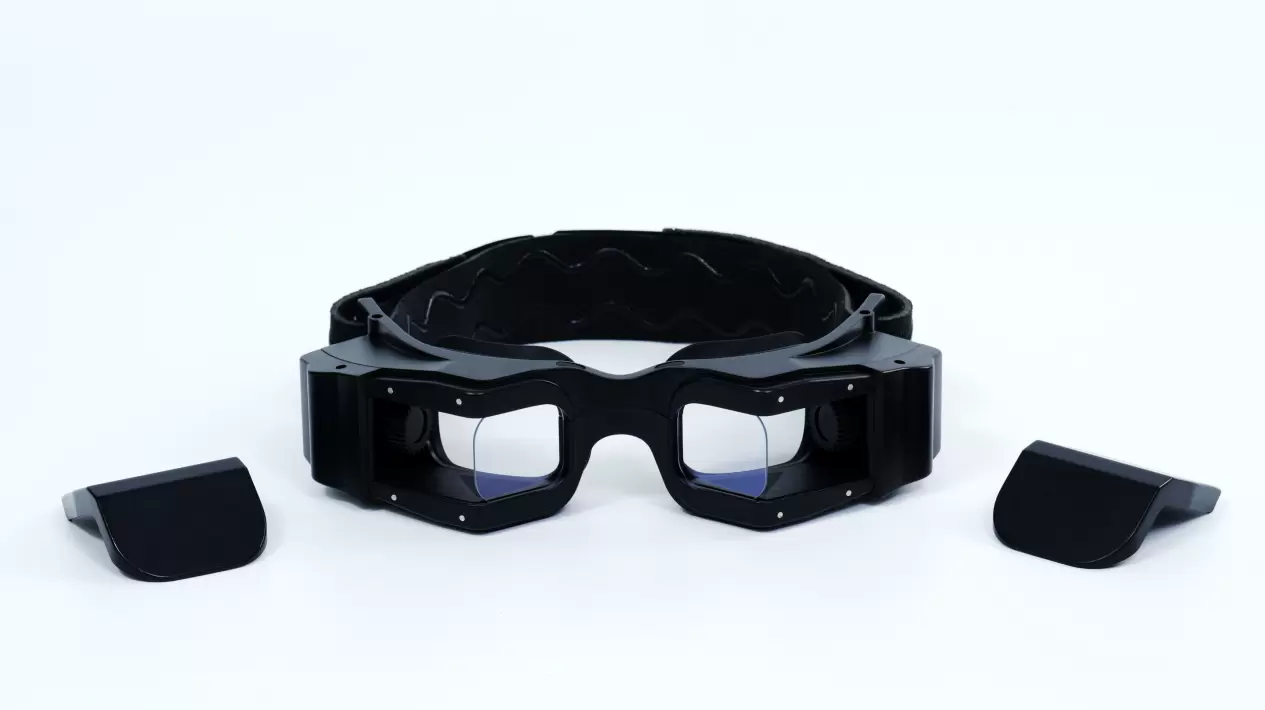
In these systems, infrared cameras mounted inside specialized goggles record eye movements directly. The pupil is detected and tracked by software, allowing precise measurement of gaze position and movement velocity.
Infrared illumination plays an important role in this technology. Because infrared light is invisible to the human eye, it allows the eyes to be recorded in a dark environment without interfering with natural vision.
Compared with earlier technologies, infrared video systems offer several advantages:
• direct visualization of eye movements
• digital recording and replay
• quantitative analysis of nystagmus characteristics
• improved detection of torsional eye movements
As a result, video-based nystagmus recording has largely replaced ENG in many vestibular laboratories and clinics.
Modern infrared video goggle systems provide high-resolution and high-frame-rate recording of eye movements during tests. Infrared video goggles such as VertiGoggles are examples of systems used in vestibular diagnostics to capture and analyze nystagmus responses.
Clinical Impact of Video-Based Eye Movement Recording
The transition from optical observation to digital recording has significantly improved vestibular diagnostics.
Infrared video goggles allow clinicians to observe and measure eye movements during a wide range of tests, including:
• Video Head Impulse Test
• positional test (such as the Dix–Hallpike test & Supine roll test)
• caloric test
• gaze test
• smooth pursuit and saccade tests
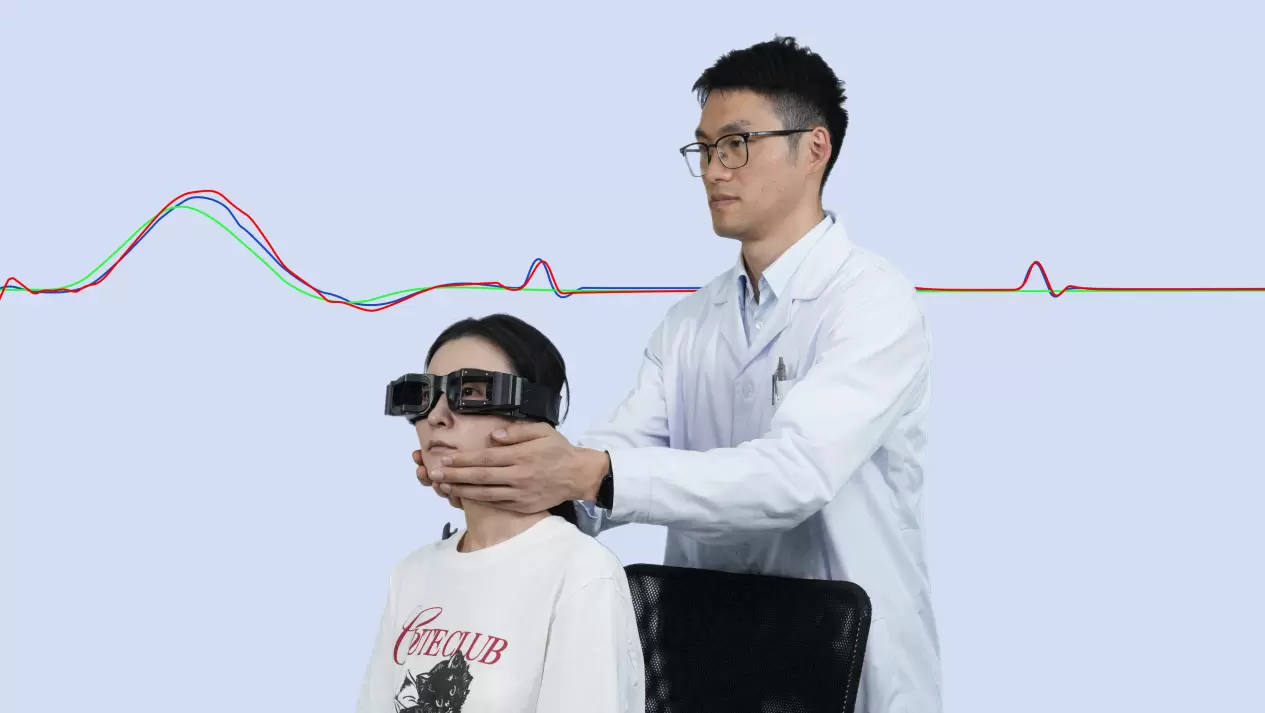
Because eye movements can now be recorded and analyzed frame by frame, clinicians can evaluate subtle abnormalities that may not be visible during bedside examination.
Recorded videos also provide documentation that can be reviewed for teaching, consultation, or longitudinal follow-up.
In addition to video recording, recent systems increasingly incorporate automated eye movement analysis to assist clinicians in interpreting complex eye movement patterns. For example, artificial intelligence–based tools such as VertiAI can support quantitative evaluation of nystagmus characteristics.
Ongoing Developments in Eye Movement Analysis
Research in vestibular diagnostics continues to evolve. Recent developments include:
• higher-resolution, high-frame-rate infrared cameras
• improved eye tracking algorithms
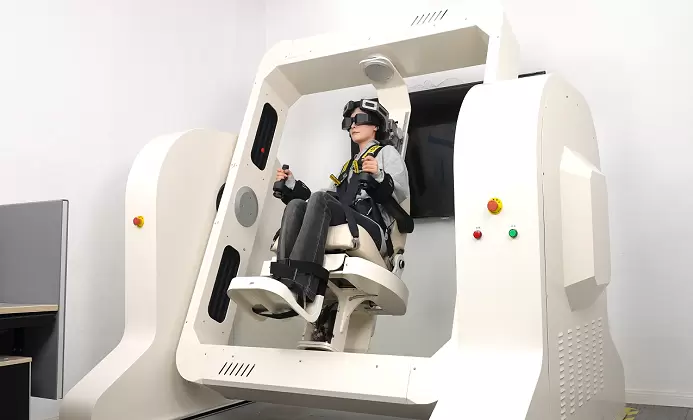
• integration with rotational chair systems and other vestibular testing platforms
• automated analysis using machine learning techniques
These innovations aim to improve the accuracy and efficiency of eye movement analysis while expanding its role in both clinical practice and research.
Conclusion
The examination of nystagmus has progressed from simple visual observation to sophisticated digital recording systems.
Early devices such as Frenzel goggles allowed clinicians to observe eye movements more effectively by reducing visual fixation. Later technologies, including electronystagmography, introduced objective recording of eye movement signals.
Today, infrared video-based systems used in videonystagmography provide detailed visualization and quantitative analysis of eye movements, making them a central tool in modern vestibular diagnostics.
With the addition of portable examination devices and intelligent analysis software, modern vestibular diagnostic systems are continuing to evolve toward more accessible, data-driven clinical workflows.
Understanding the historical development of these technologies highlights how advances in imaging and measurement have improved the ability of clinicians and researchers to evaluate vestibular function and investigate disorders of balance.